





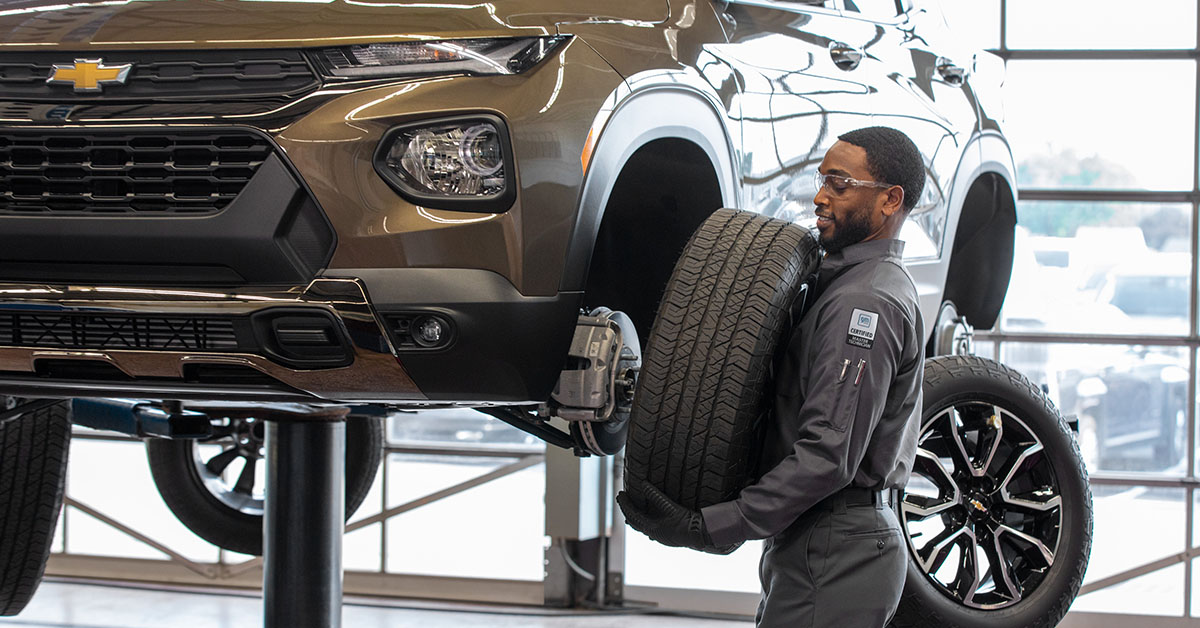
Summer temperatures do more to your tires than most drivers realize, and our service team hears about it often once the weather heats up. Chevy tires are built to handle a wide range of conditions, but rising pavement temperatures can affect pressure, tread wear, and performance faster than expected. Knowing what to watch for helps you catch small issues before they become bigger problems that require a visit to Moran Chevrolet Fort Gratiot.
Rising Temperatures Change Tire Pressure Fast
As temperatures rise, the air inside a tire expands, and sun-baked asphalt can push that heat even higher. An afternoon reading can run several PSI above the recommended level, even though nothing is actually wrong with the tire. Checking pressure when your tires are cold gives a true baseline, avoiding an overcorrection based on an inflated afternoon number.
Heat Accelerates Tread Wear Over Time
Rubber compounds soften in high heat, speeding up tread wear, especially on tires already low on tread depth. Long highway trips add friction and heat buildup, compounding the effect. Rotating tires regularly helps distribute wear evenly, and inspecting tread depth before a trip helps catch problems early.
Watch for Warning Signs Before a Blowout
Bulges, cracks, and unusual vibration are signs that summer heat has taken a toll on a tire’s structure. Underinflation makes it worse, since a soft tire flexes more, builds up heat, and is more likely to fail on hot pavement. A quick pressure and visual check before hitting the road can catch either warning sign early.
Keep Your Chevy Tires Road-Ready This Summer
Small changes in pressure and tread wear can add up fast once summer heat sets in, so staying ahead of it keeps every drive safer. Stop by Moran Chevrolet Fort Gratiot for a quick seasonal tire inspection before your next long trip. Our service team can spot problems early and get you back on the road with confidence.
Connect with us


- 2025
- 2025 Chevrolet Silverado
- 2025 Chevrolet Tahoe
- 2026
- 2026 Chevrolet Corvette
- Chevrolet Blazer
- Chevrolet Blazer EV
- Chevrolet Corvette
- Chevrolet Suburban
- Chevy Colorado
- Chevy EV
- Electric Vehicle
- Equinox
- Family SUV
- Fort Gratiot Chevrolet Dealer
- Fort Gratiot Chevrolet Service
- Interior
- Moran Chevrolet Fort Gratiot Service
- Silverado 1500
- SUV
- Technology
- Test Drive
- Traverse
- Uncategorized